
Spring Forum: How Much ‘Hua’ Do You Feel Today?

Pineapple tarts, Yu Sheng, how Chinese are you during the Lunar New Year? Is “Chinese” culture? Ethnicity? Identity? In a parallel, pluralistic, and decentralized context, how should we view traditional culture? Is being Chinese profound, a matter of degree, or conservative? Five artists and cultural workers from different backgrounds, identities, and perspectives discuss and converse on the concept of “Chinese.”
The event is also a New Year gathering in the cultural and artistic community!
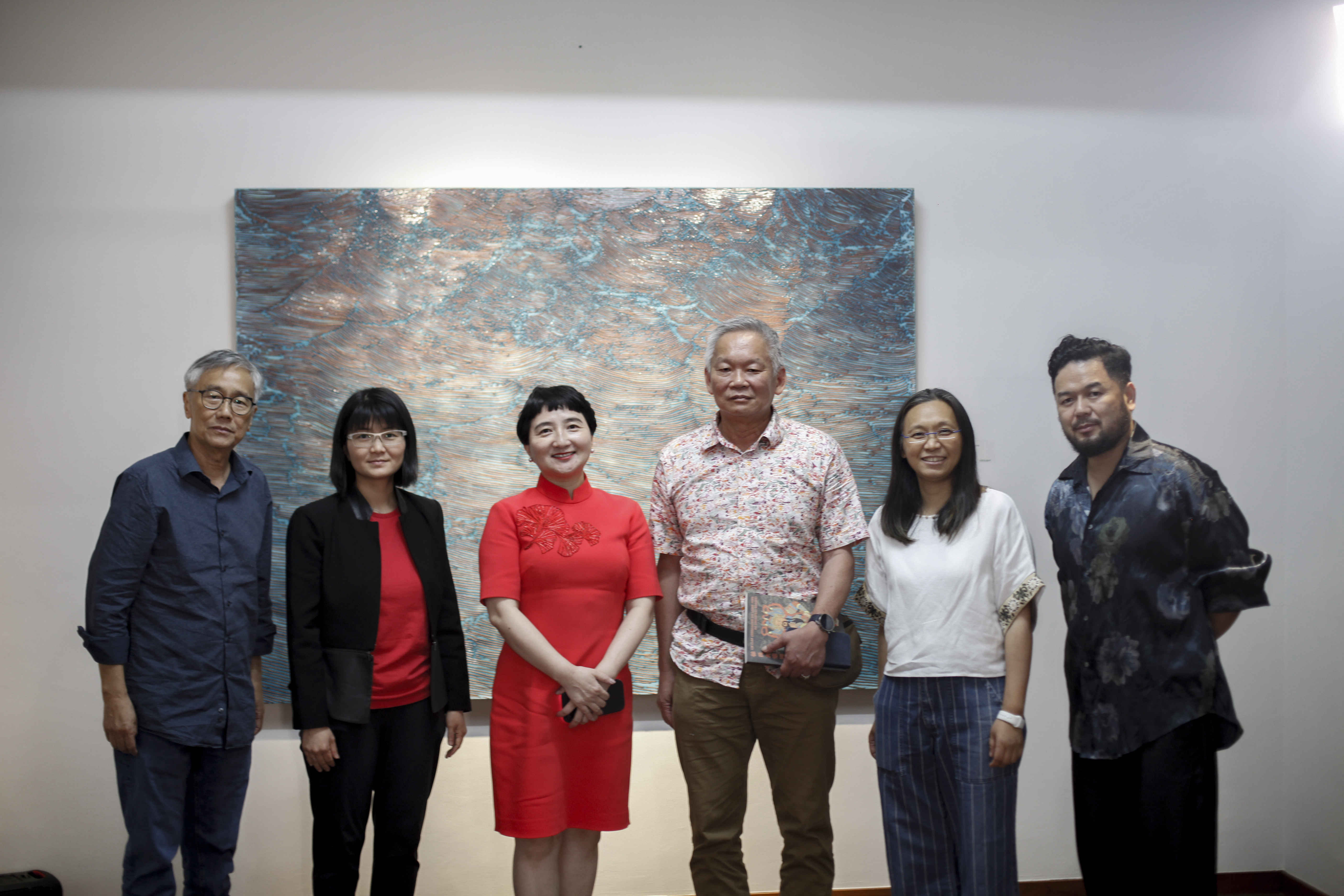
Speakers include Mr. Kwok Kian Chow, the founding director of the National Gallery Singapore, who was born and raised in Singapore and speaks fluent Hokkien; Mr. Tan Keng Leck, a Singaporean animation director whose maternal grandfather was a renowned Chinese anthropologist; Ms. Lin Huiyi, an artist in the Singaporean artist duo Chow and Lin, who lives in Beijing and whose work is collected by New York’s MoMA; Ms. Wang Ruobing, a Singaporean artist who grew up in Chengdu and holds a Ph.D. from Oxford University; and Mr. Meng Zhigang, a minority artist from Southwest China operating the Highlight Art Space in Singapore.
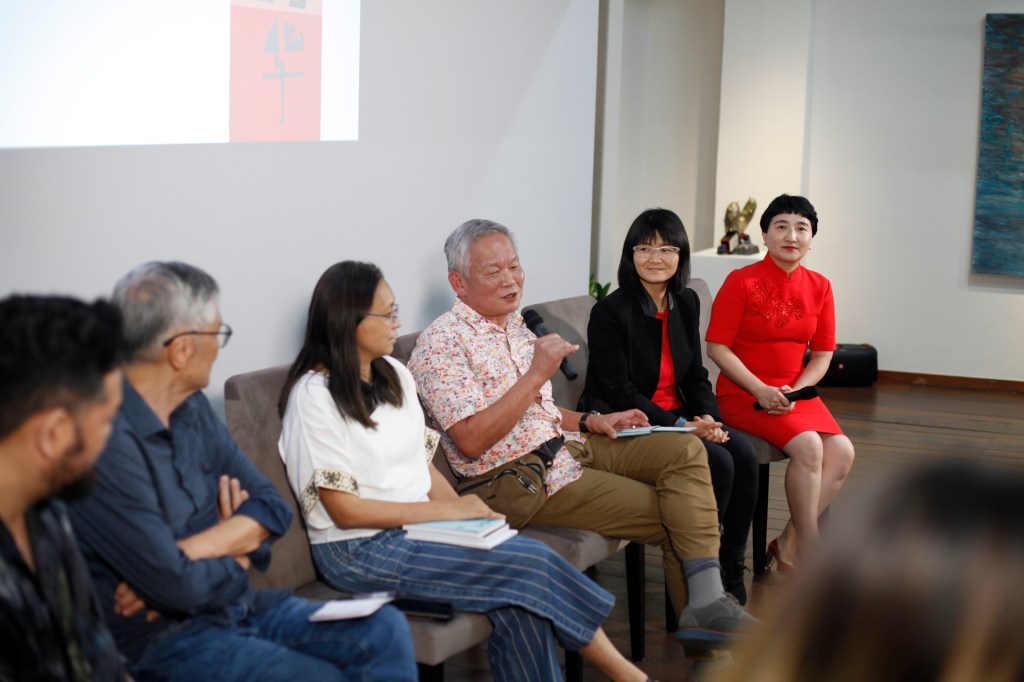

Mr. Kwok Kian Chow, through an analysis of several cases of Singaporean Chinese artists, introduced the development history of contemporary art in Singapore, and then, combining art history and anthropology, discussed topics closely related to the development of Southeast Asian art, such as Austronesian culture and identity politics, extending the cultural significance of “Chinese” from both micro and macro perspectives.
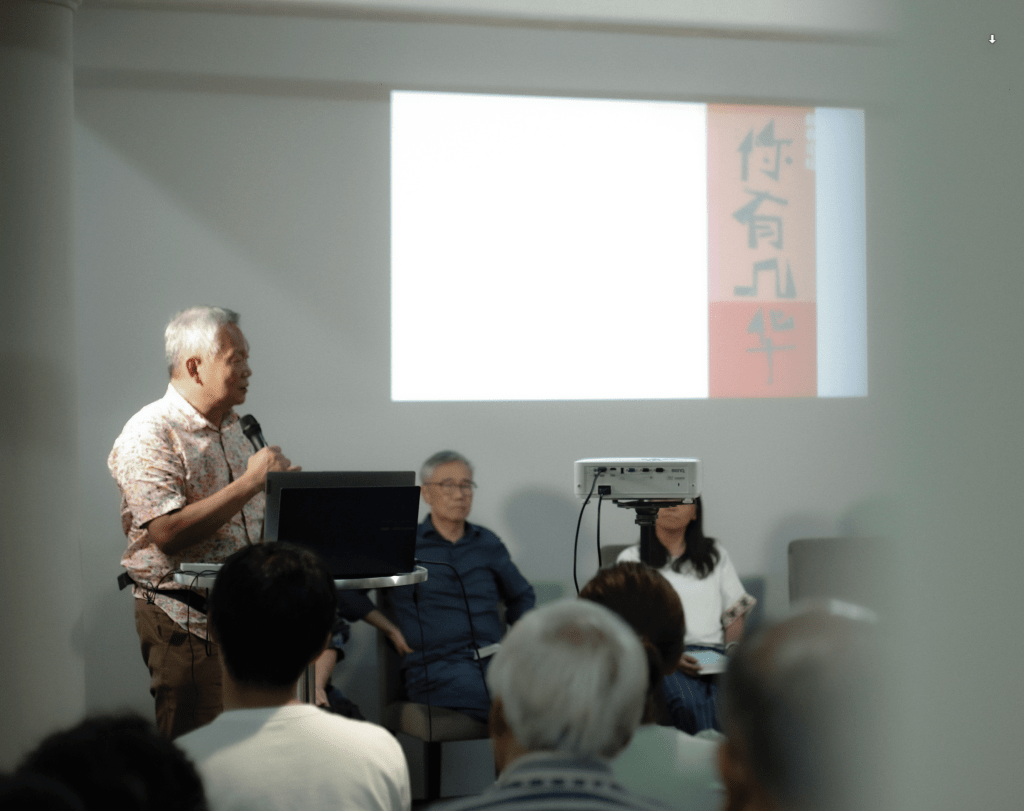
Mr. Tan Keng Leck used a very vivid method to describe the richness and multidimensionality of Chinese culture, likening it to personal clothing to elaborate his point, and objectively analyzed the process of Southeast Asian Chinese recognizing their own culture, with both praises and criticisms.
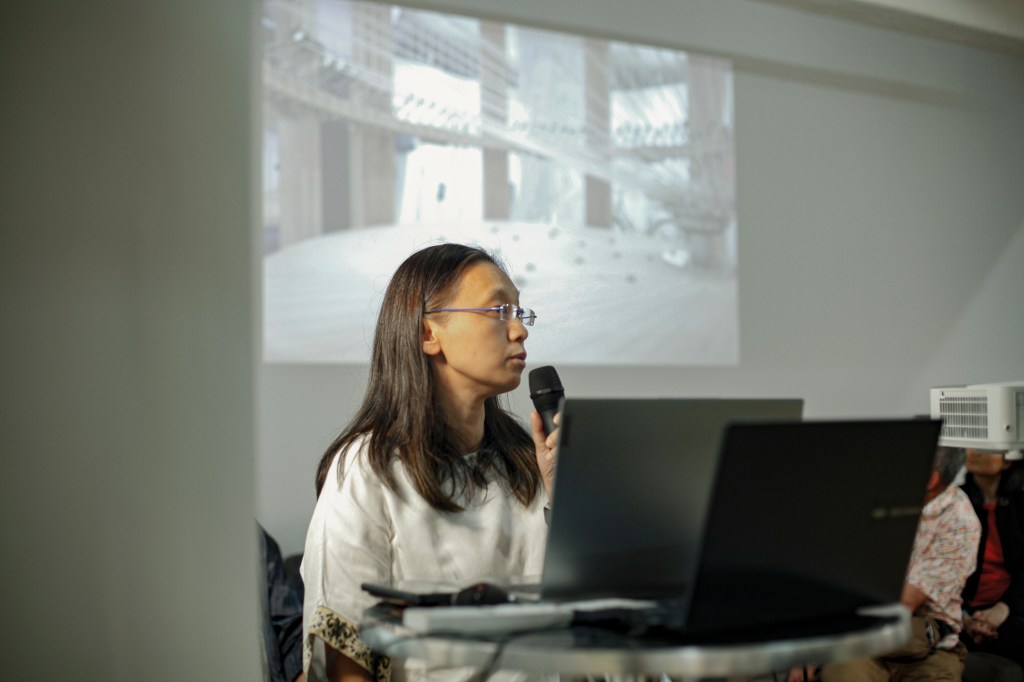
Ms. Lin Huiyi (Right), using her art duo’s work as a case study, talked about issues on identity, alongside her artistic conclusions drawnthrough artistic practice in consumerism and the global economy, defining the unique value and cultural significance of contemporary art in social critique.
Ms. Wang Ruobing (Below), through her family relationships, clarified that “Hua” can sometimes be a verb, and that the blending of race and culture is a norm in contemporary society. She also focuses particularly on the relationship between humans and nature, and the environment, discussing the broader possibilities of “Hua” in a wider humanistic context.
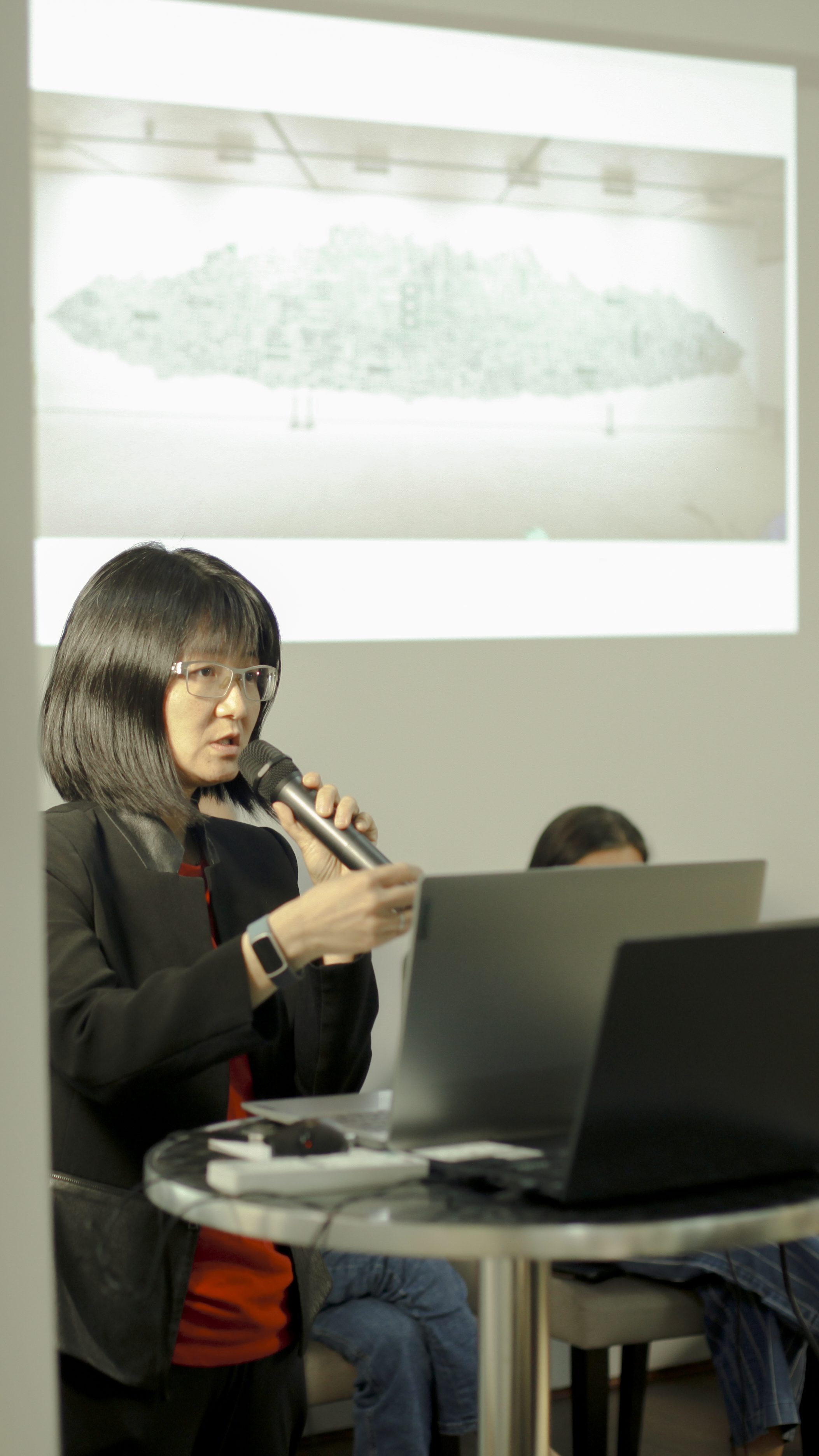
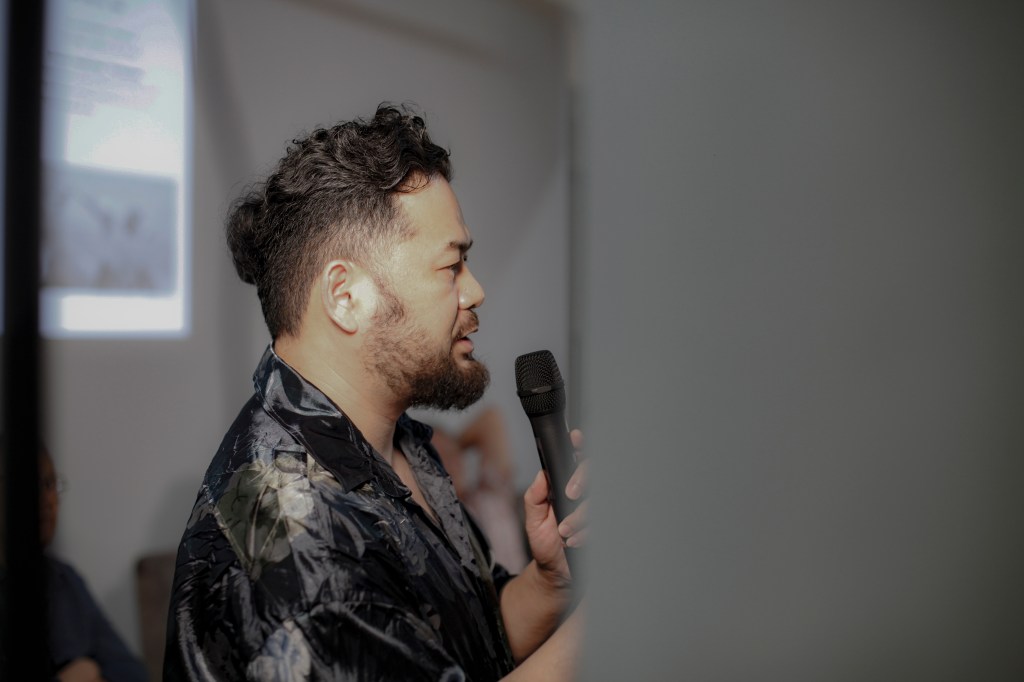
Mr. Meng Zhigang hopes the topics discussed by the guests will inspire professionals in art and humanities and further elaborated that Chinese people are not only an agrarian civilization but also have aspects of a maritime civilization. He also analyzed how the broad and narrow definitions of “Chinese” differ in various historical stages and, for artists, how the diversity of cultural backgrounds and in-depth research enrich their artistic language.
 Highlight Art