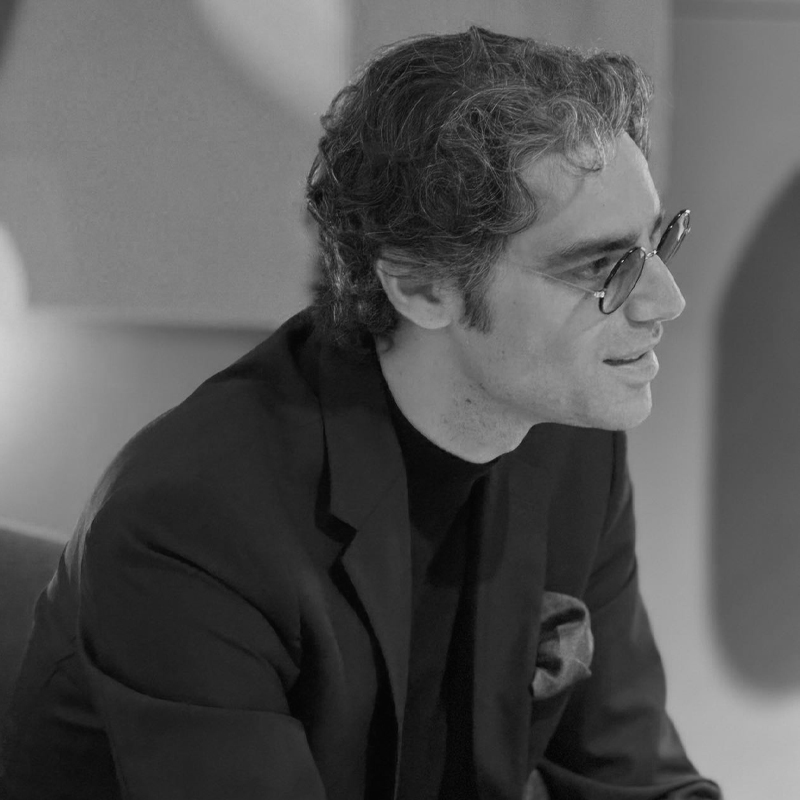
Charles-Joseph de Ligne
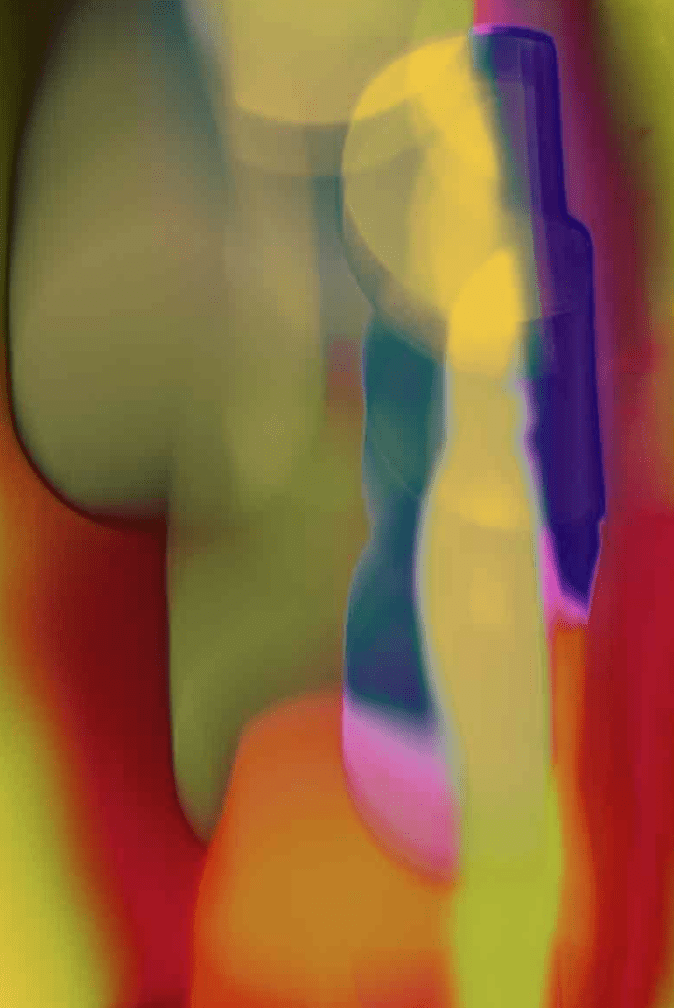
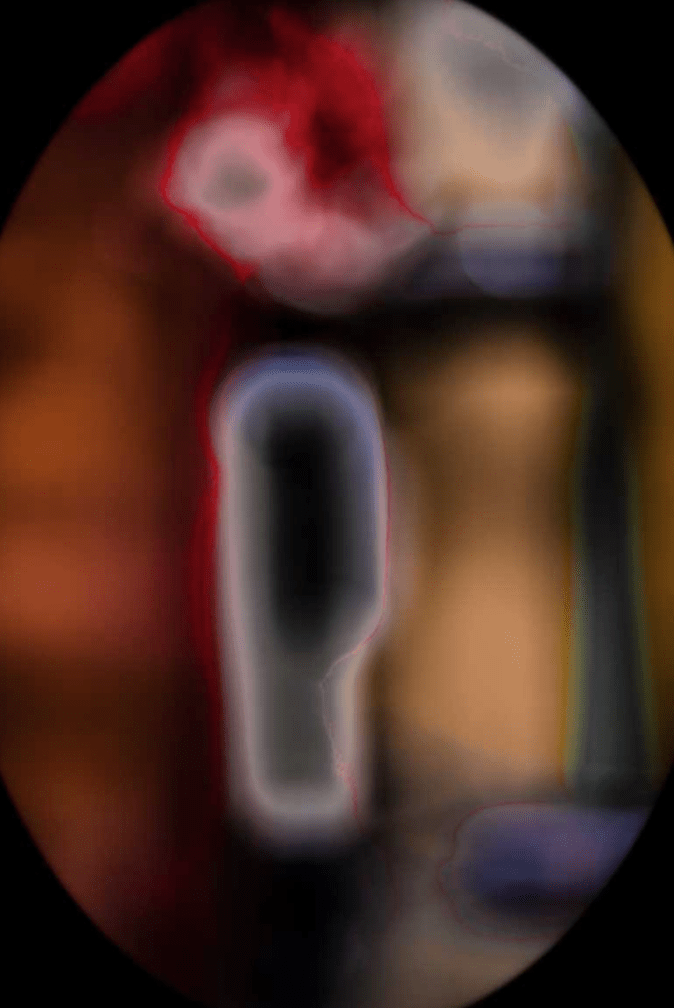
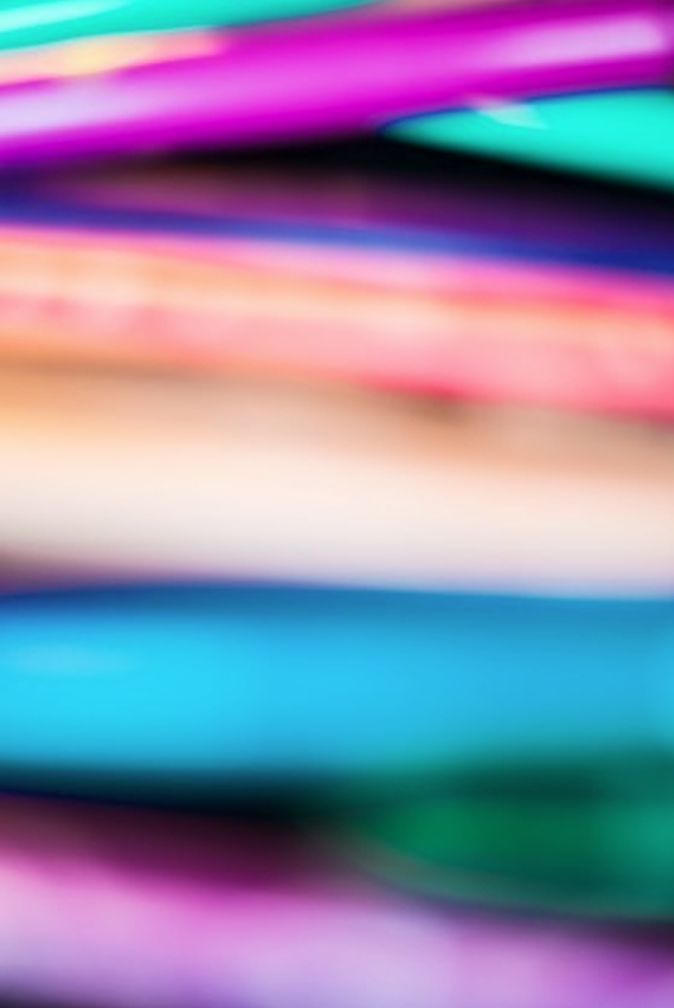
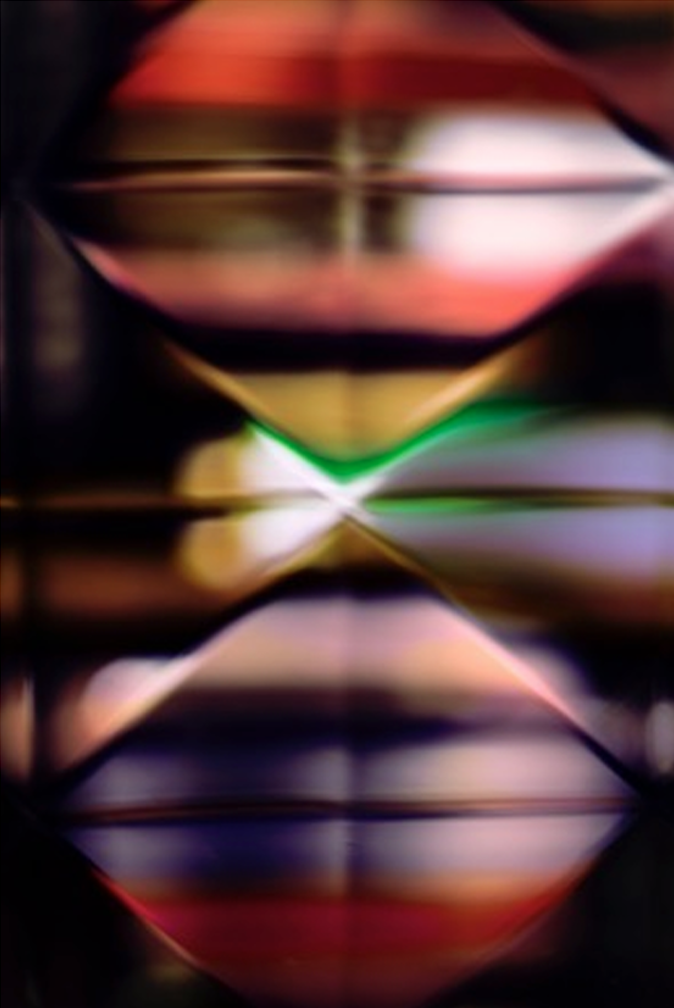
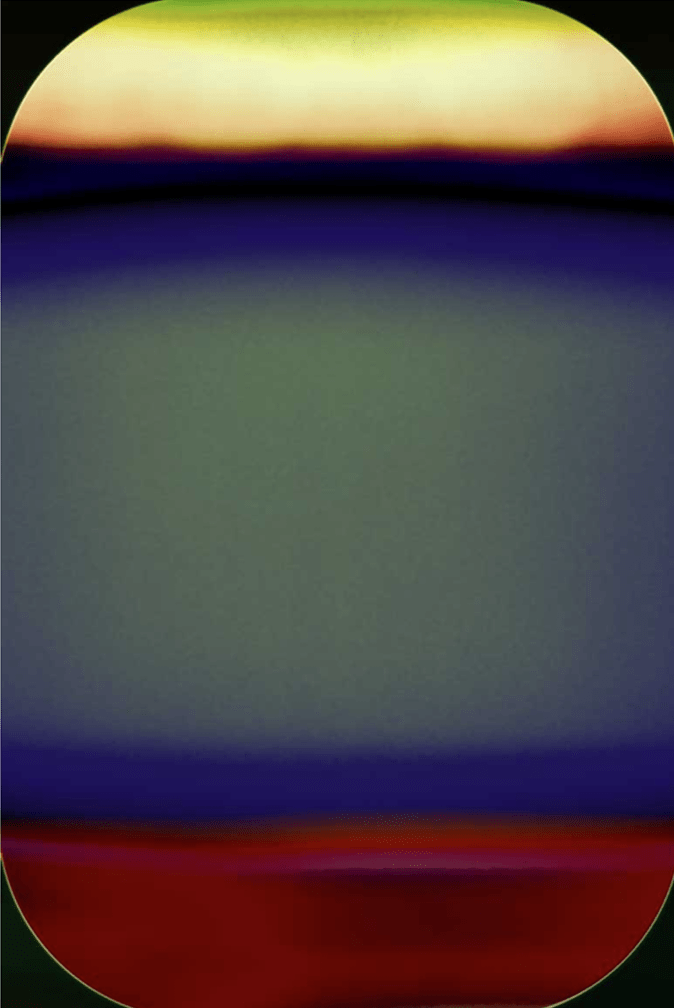
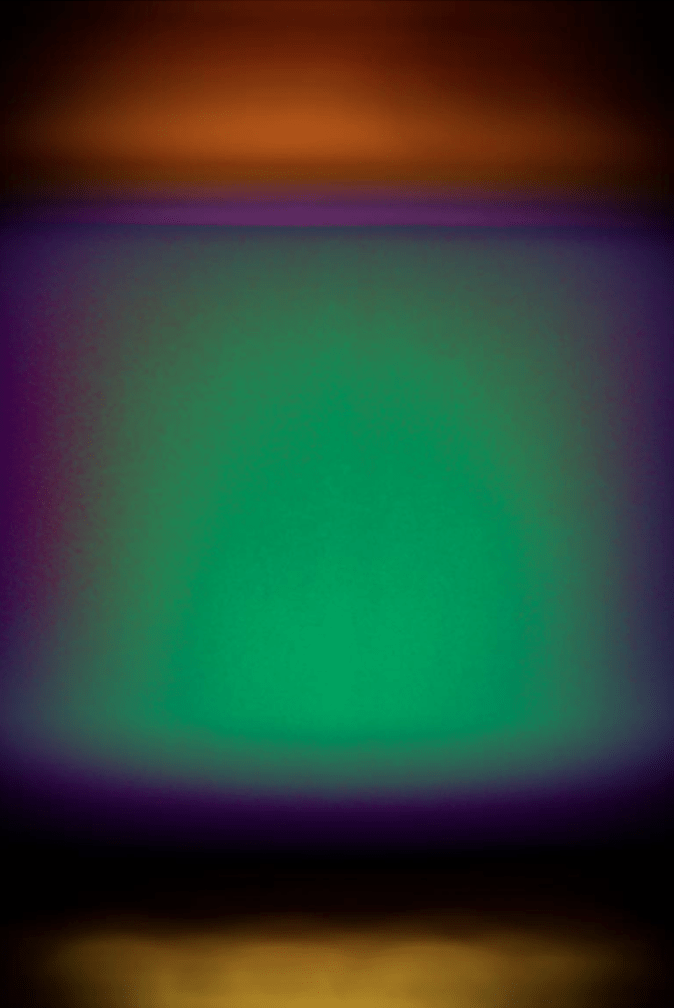
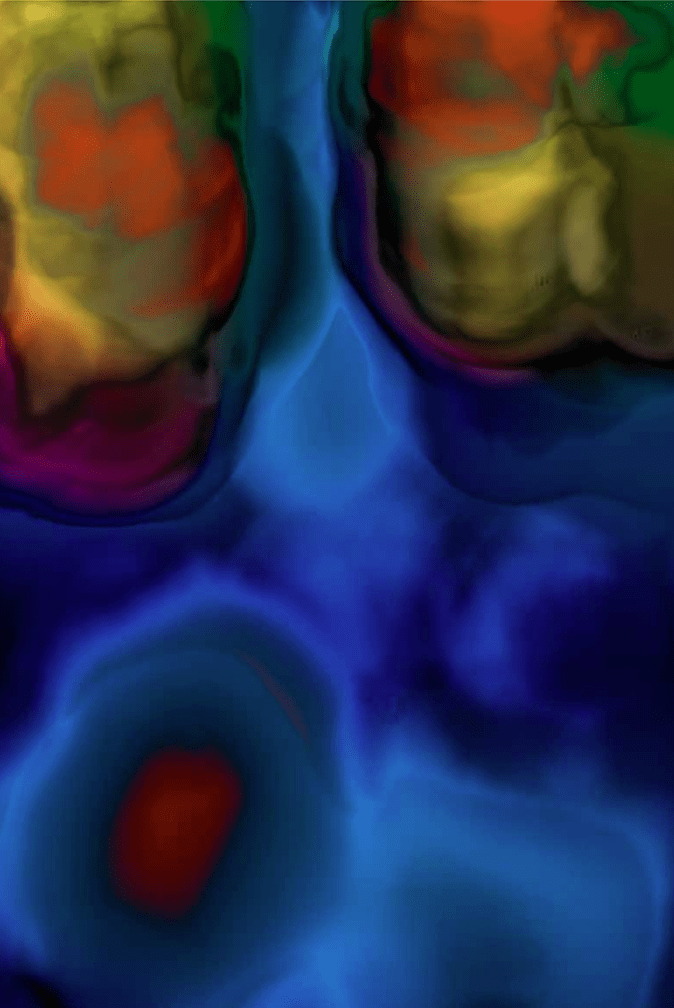
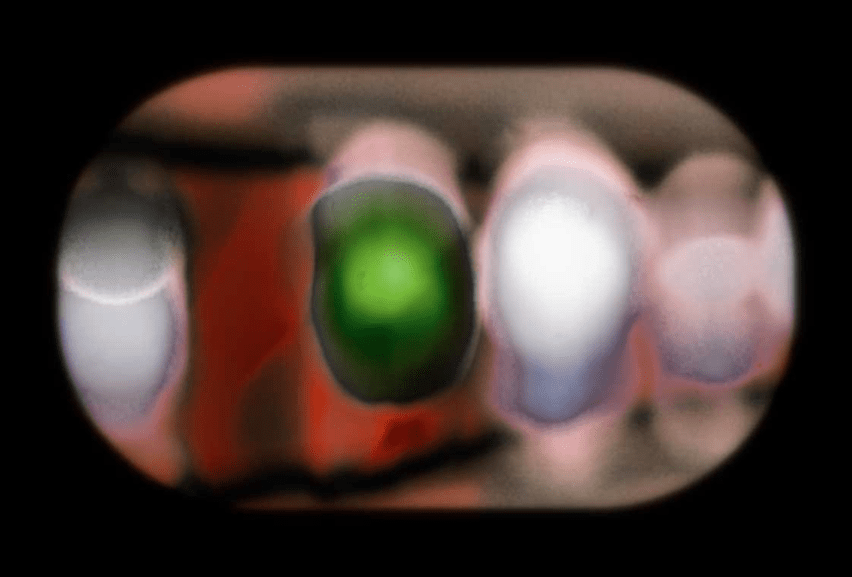
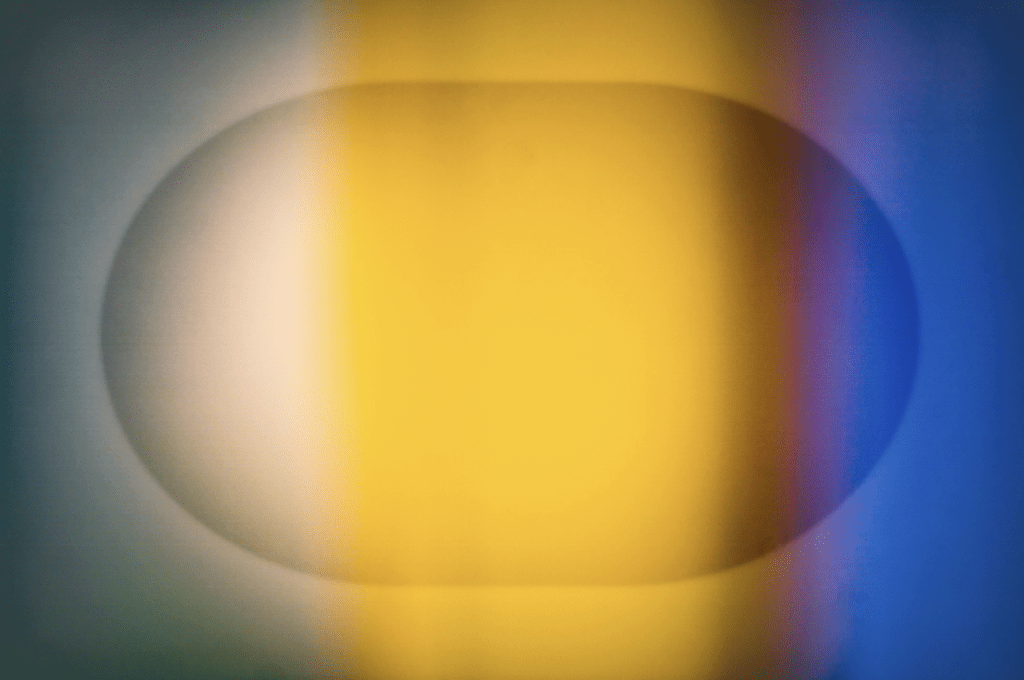
<< There is strong part of pre-visualization in my work; it means that I already see the world in an abstract form. Although shapes and colors have been composed, they are not yet rigid; I wish to give a feeling of movement (in my work). I work with my lens like a painter with his brush, sometimes transforming totally the lens to match my vision. Emotions are all that matter, and EMOTION, for me, is soul in movement. >>
(as originally translated from French)
CHARLES JOSEPH DE LIGNE’s passion for Art dates back from a very young age, as he hails from a family of collectors of antique and archival art. He began his professional artistic career in 2012 and has remained active in the art scenes of Shanghai, Hong Kong, Paris, Lisbon and Miami ever since.
PREFACE – AN INTRODUCTION TO THE ARTIST’S WORK
BY PASCALE GEOFFROIS
Photography, utilised by Charles-Joseph de Ligne for its power of abstraction, is, he says, a tool for experimentation that lends itself to dreaming, expressing and sharing emotion. The artist, while remaining divorced from any specific medium, first studied drawing, classical painting, structure and composition; the golden ratio. Inspired by brutalism and architecture, as well as the primitive arts and their strange purity, he travels, discovering Asia and Shanghai in particular, where the special energy of the city transforms and inspires him.
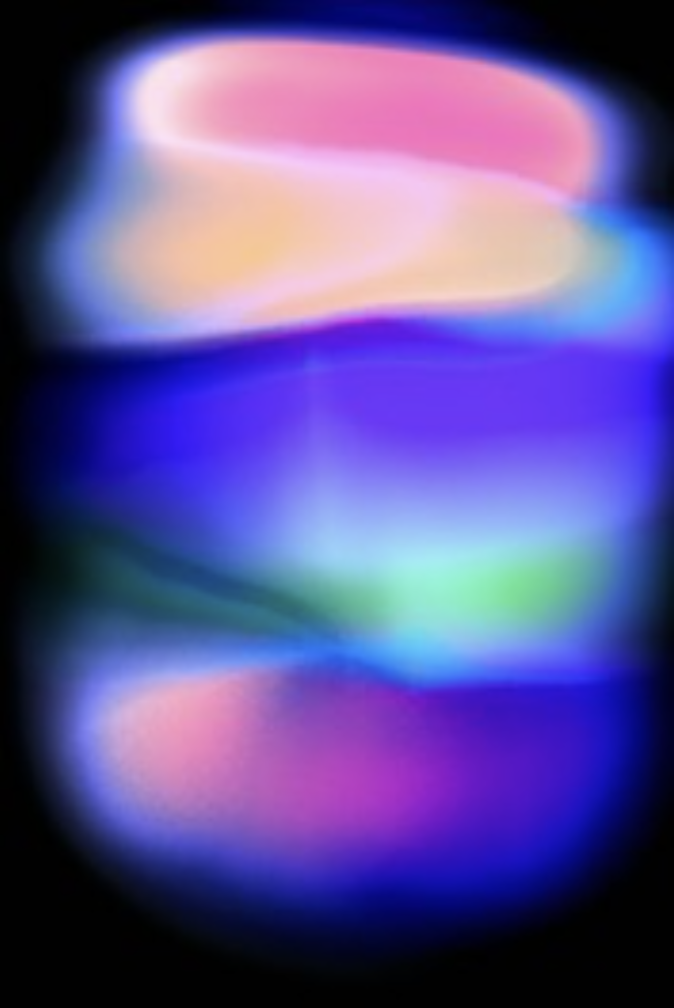
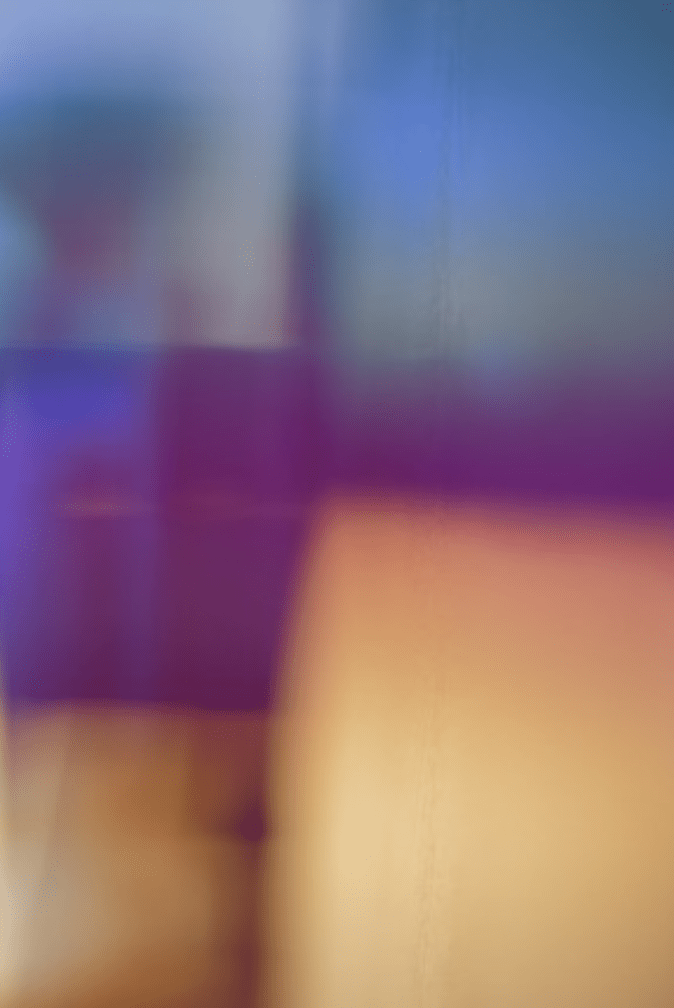
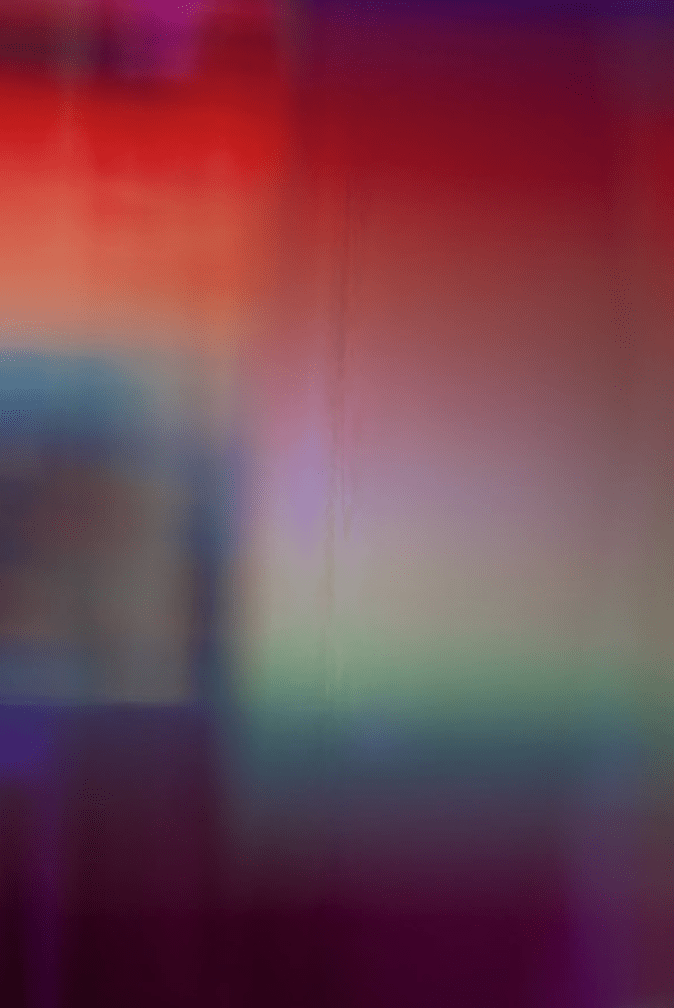
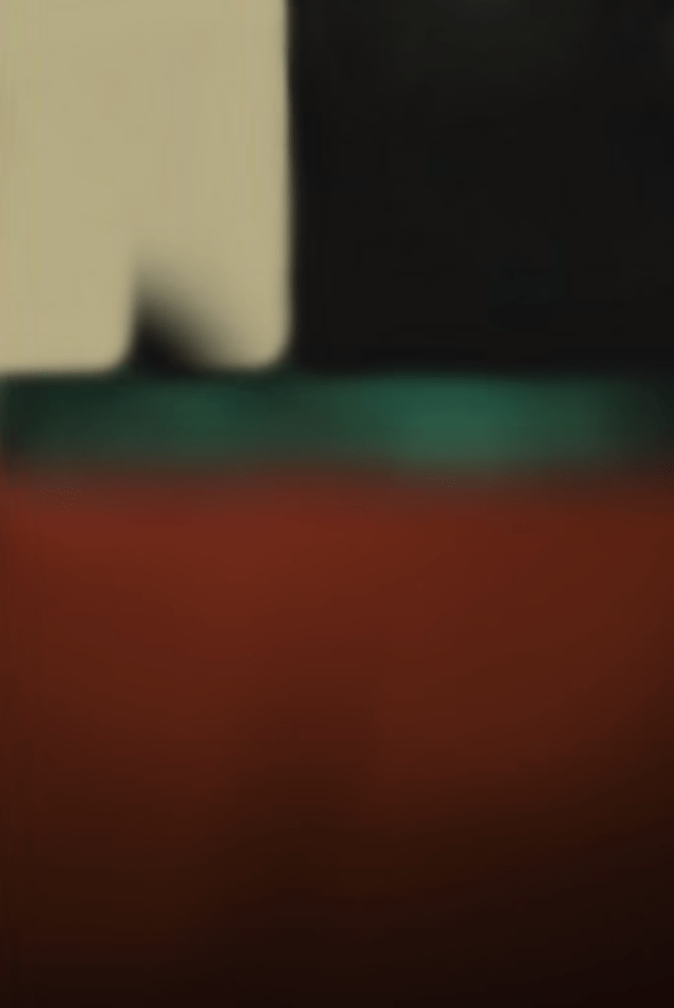
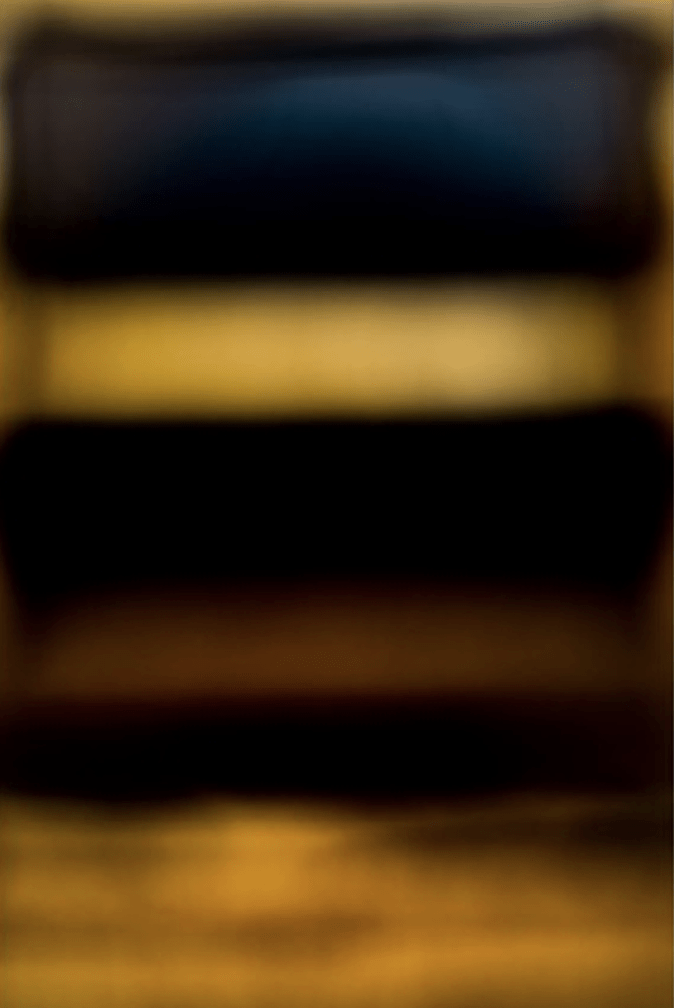
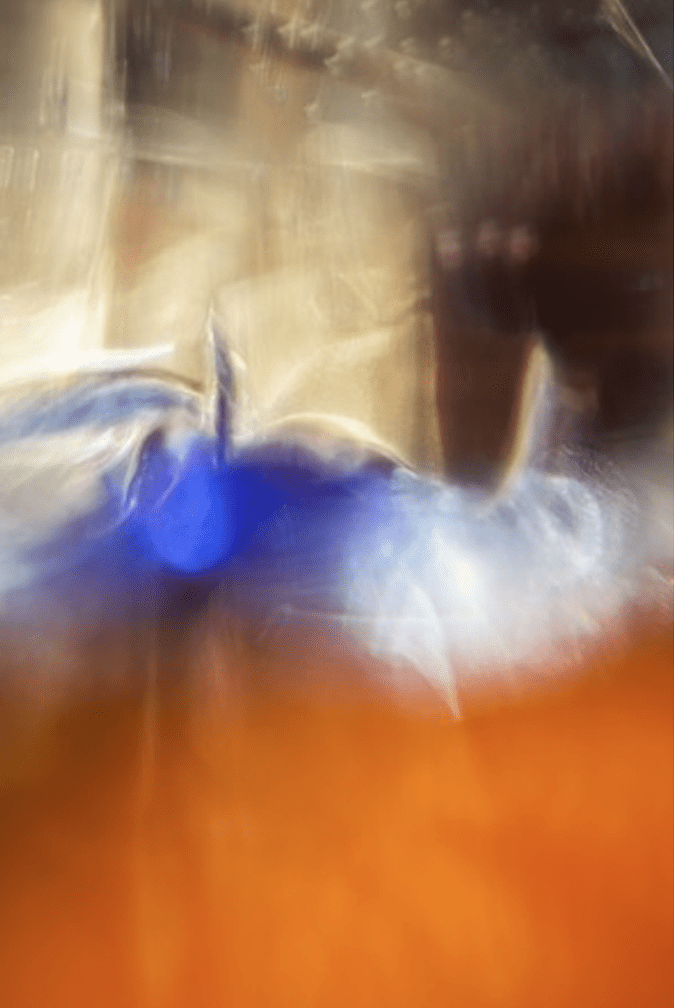
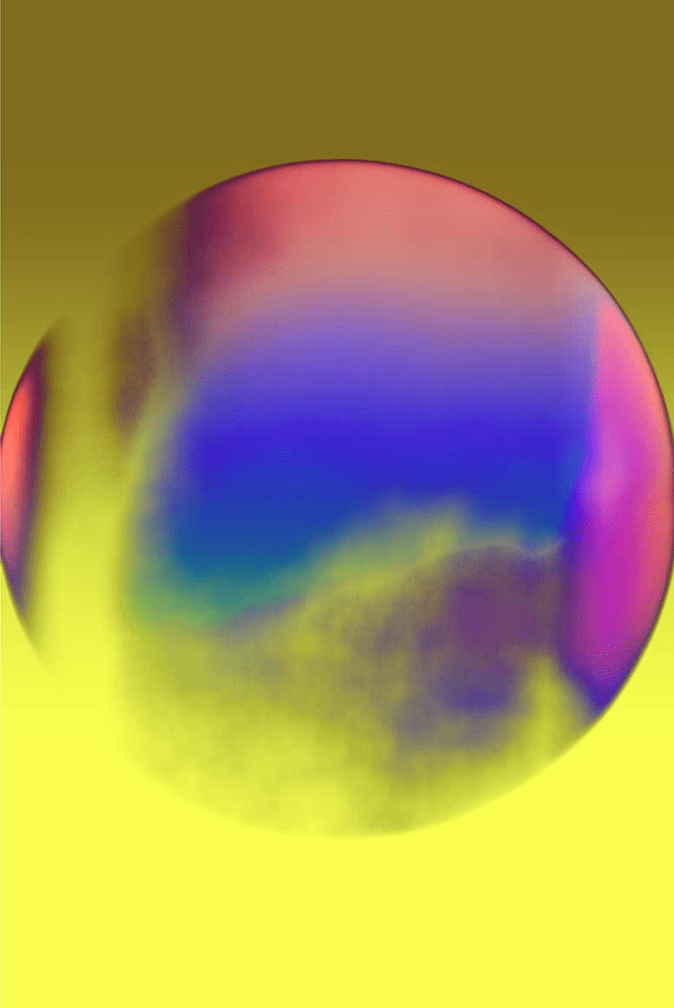
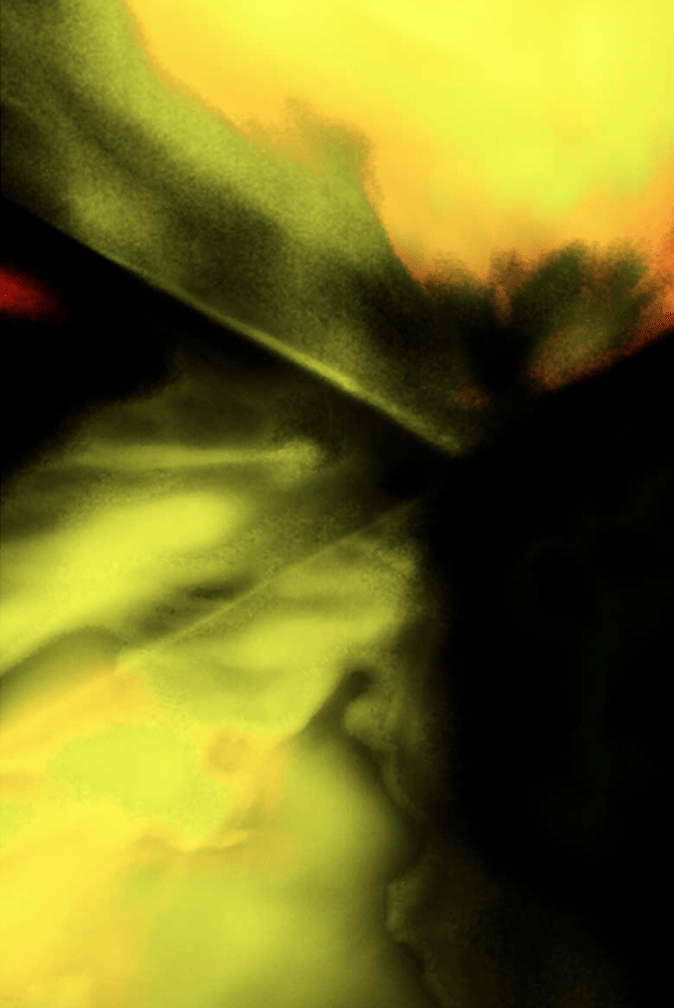
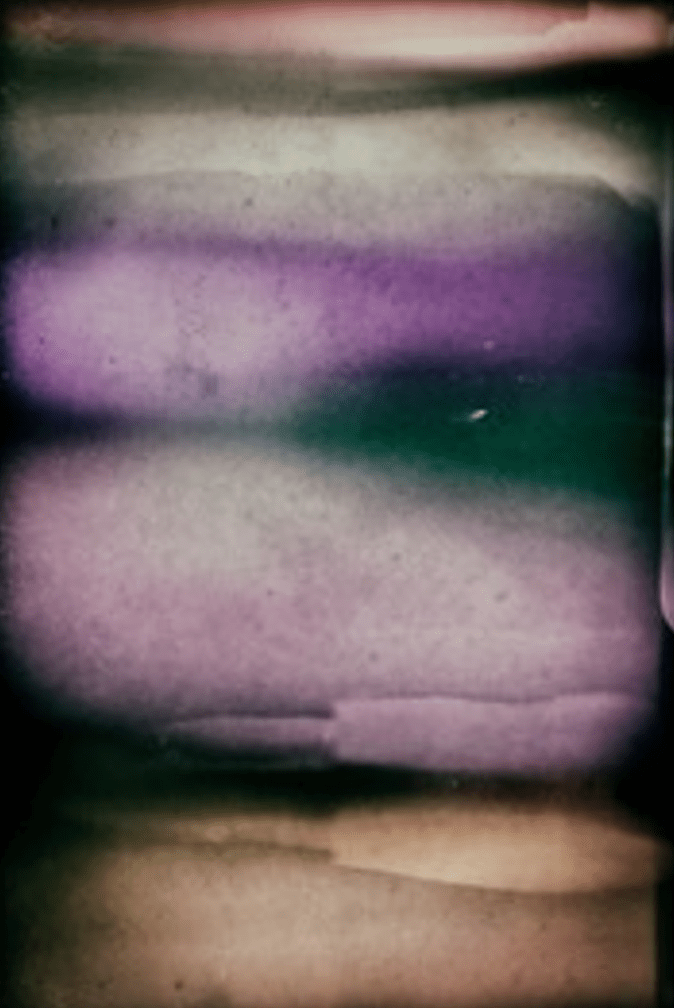
He endeavours to capture the soul in movement; attempts to catch it, channel it, transcribe it. This exercise, he finds, often passes by colour: its symbolism and power. The colors induce feelings, he says, and leaves the viewer free to interpret and feel them. They are put in pursuit of a possible thread stretched through the chaos; one of a balance between complementary and opposing colors, hot and cold, as nourished by fundamentals of painting from which Charles Joseph de Ligne continually fights to free himself from. For this purpose, he transposes on selected papers of silver prints, such that the image becomes a large (180X120) screen, which challenges and encourages the viewer to walk around it, enter it, and get lost in it.
These works become many windows, the subjects of meditation. If their form is meditative, their content is nourished by philosophy: he draws upon ideas of the Chinese Yin and Yang, a simple yet powerful symbol, whose grey areas seems to him an enlightening subject of reflection. That is, to breathe; to pass from the static to the animate, to exceed concepts and evolve it further closer to life. To feel life in all of its pulsation and dynamics.
He moves on to very small formats in black and white in the darkroom, where he places objects under the enlarger. The camera in this context transforms into a brush; the photographer an alchemist, working with gold and sepia. Each photograph thus becomes a site to revel in the multiplicity of true freedom – to be true, sincere, and to remain faithful to oneself.




 Highlight Art